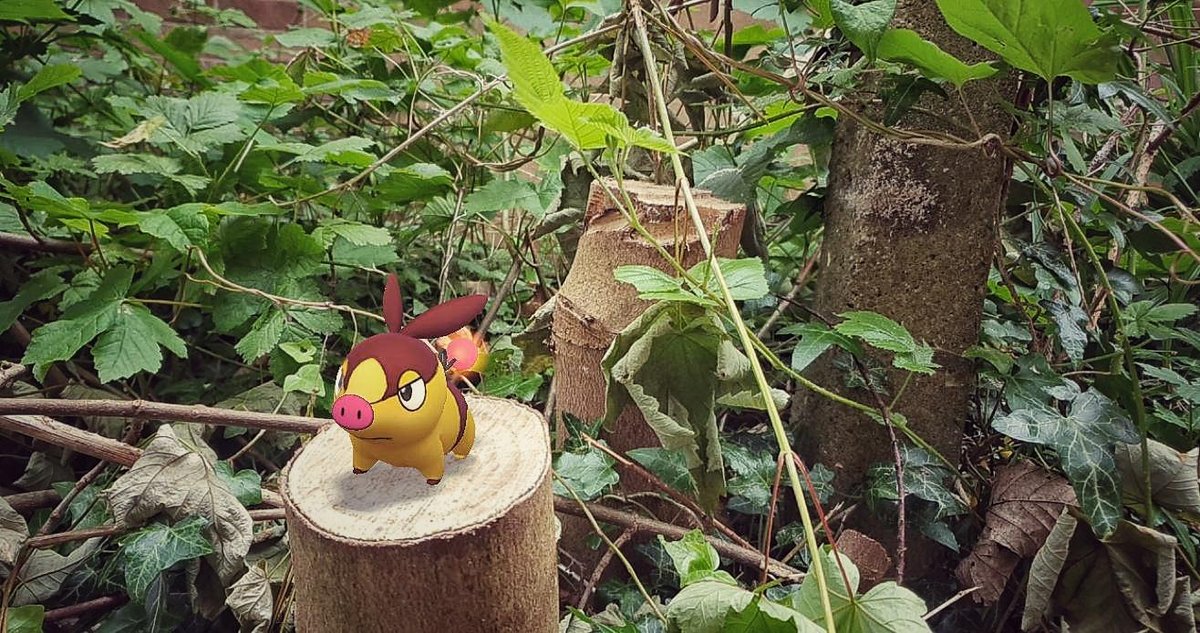
Ah, Unova! A land of vibrant cities, sprawling deserts, and a truly pivotal decision right at the start of your journey: Choosing Your Unova Starter: A Guide to Early Game Progression. More than just picking a cute companion, your initial choice sets the tone for your entire adventure, shaping your early battles, influencing your team composition, and even defining your strategy against some of the region's toughest challenges.
But don't fret over the decision. Think of this guide not as a rigid rulebook, but as your seasoned mentor, here to equip you with the insights you need to make an informed choice. We'll cut through the noise, reveal the strengths and nuances of Snivy, Tepig, and Oshawott, and help you navigate the crucial early stages of your Unova odyssey with confidence.
At a Glance: Unova Starter Showdown
- Snivy (Grass): The Swift Strategist
- Core Strength: Unmatched speed, excellent Special Attack.
- Best For: Trainers who prefer agile, hit-and-run tactics, enjoy stat manipulation, and value strategic positioning. Excels against Water and Ground types.
- Early Game Impact: Can struggle against early Normal and Bug types but shines against specific Gyms later.
- Tepig (Fire): The Powerhouse Pugilist
- Core Strength: High Attack and HP, powerful Fire/Fighting typing.
- Best For: Trainers who love brute force, offensive play, and dealing massive raw damage. Dominates Grass, Ice, Bug, Steel, and Normal types.
- Early Game Impact: Strong against the first Gym, but its lower speed can be a challenge.
- Oshawott (Water): The Balanced Blade Master
- Core Strength: Well-rounded stats, good Special Attack, adaptable.
- Best For: Trainers who appreciate versatility, defensive capabilities, and a stable presence in battle. Strong against Fire, Ground, and Rock types.
- Early Game Impact: Neutral start, but consistently useful and holds its own against many early threats. Often considered a safe, reliable pick.
The Unova Trio: More Than Just Elemental Types
Every Pok��mon journey begins with that iconic moment: Professor Juniper (or Professor Fennel, in some contexts) presenting three Poké Balls. These aren't just three different types; they represent distinct playstyles that will define your initial adventure across Unova. Understanding their core characteristics, beyond just their elemental typing, is key to making a choice that truly resonates with you.
Let's break down each potential partner, diving deep into what they bring to your team from the moment they join you.
Snivy: The Swift and Serene Serpent
Meet Snivy, the Grass-type starter. From its elegant posture to its confident smirk, Snivy embodies speed and agility. If you're a trainer who values out-maneuvering opponents and dictating the pace of battle, Snivy might just be your ideal partner.
Stats and Growth Trajectory
Snivy's most striking feature is its Speed stat, which is the fastest among the Unova starters. This allows it to often strike first, delivering crucial damage or status effects before the opponent can react. As it evolves into Servine (Lv 17) and then the regal Serperior (Lv 36), this speed advantage only grows, becoming a defining characteristic. Serperior's speed stat can be nearly double that of Emboar, Tepig's final evolution, which is a significant tactical advantage. While its initial Special Attack might not be astronomical, Serperior can learn a formidable array of Grass-type special moves to leverage its speed.
Abilities and Key Moves
Snivy's standard Ability is Overgrow, which boosts the power of its Grass-type moves by 50% when its HP drops to 1/3 or less. This can turn the tide in a desperate situation, offering a last-ditch power surge.
However, the real game-changer for Snivy's line, particularly for Serperior, is its Hidden Ability: Contrary. This incredible ability reverses stat-lowering effects into stat-boosting effects. Imagine using Leaf Storm, a powerful Grass-type move that typically lowers your Special Attack by two stages. With Contrary, Leaf Storm boosts your Special Attack by two stages instead! This transforms a drawback into a massive advantage, allowing Serperior to become an unstoppable Special Attacking force. While you won't get Contrary on your initial starter, understanding its potential highlights the strategic depth of the strategic depth of Abilities in later gameplay.
Key moves include:
- Leaf Tornado: A reliable early-game Grass-type special attack that has a chance to lower the target's accuracy.
- Leaf Blade: A physical Grass-type move with a high critical hit ratio, available as Serperior.
- Coil: A status move that raises Attack, Defense, and Accuracy, making Serperior surprisingly bulky and precise, especially when combined with Contrary.
- Leaf Storm: As mentioned, a devastatingly powerful Special Grass-type move that becomes a boon with Contrary.
Early Game Impact and Type Matchups
Snivy starts strong against Water and Ground-type Pokémon, which you'll encounter throughout Unova. This makes it a solid choice against the third Gym Leader, Burgh (Bug-type, which is weak to Fire and Rock, but not necessarily strong against Grass), and certainly against some later challengers.
However, Snivy faces a tougher road against the first Gym Leader, Cheren (Normal-type), as Grass-type moves are not very effective against Normal Pokémon. It also struggles against Bug-types, which are prevalent in early forests like Pinwheel Forest. This means you'll need to rely more heavily on your other team members or on Snivy's normal-type moves (like Tackle or Quick Attack) and utility early on. To truly thrive, you'll need to focus on building a balanced early-game team around Snivy's specific strengths and weaknesses.
Tepig: The Fiery and Fearless Pig
Next up is Tepig, the Fire-type starter. With its boisterous personality and powerful attacks, Tepig is built for trainers who prefer a straightforward, offensive approach. If you like hitting hard and taking names, Tepig is ready to rumble.
Stats and Growth Trajectory
Tepig excels in raw power, boasting high Attack and HP stats. As it evolves into Pignite (Lv 17) and then the imposing Emboar (Lv 36), it gains a secondary Fighting-type, becoming a Fire/Fighting dual-type. This combination, while sometimes criticized for being a repeated starter typing (Blaziken, Infernape), provides incredible offensive coverage against a wide range of foes.
The trade-off for this power is speed. Emboar is significantly slower than Serperior and Samurott, meaning it will often attack second. This requires a different tactical approach, focusing on its ability to absorb hits and retaliate with devastating force. According to experts like the Games Learning Society, Tepig's line truly "wins out in damage output" in Black and White, despite its speed disadvantage.
Abilities and Key Moves
Tepig's standard Ability is Blaze, identical in function to Overgrow: it boosts the power of its Fire-type moves by 50% when its HP drops to 1/3 or less. This provides a safety net, allowing Emboar to deliver a powerful counter-attack when weakened.
Emboar's moveset is characterized by high-damage, often recoil-inducing attacks:
- Flame Charge: An early-game Fire-type move that also boosts Tepig's speed, helping to mitigate its natural slowness.
- Flare Blitz: A signature physical Fire-type move for Emboar, boasting immense power but causing recoil damage.
- Wild Charge: A physical Electric-type move that Emboar can learn, adding crucial type coverage against Water and Flying types, though it also causes recoil.
- Hammer Arm: A powerful Fighting-type move that lowers Emboar's speed, further emphasizing its slow, heavy-hitting playstyle.
- Flamethrower/Fire Blast: Strong Special Fire-type options for a more balanced approach, though Emboar leans more physical.
Early Game Impact and Type Matchups
Tepig shines brightly early on. It absolutely bulldozes the first Gym Leader, Cheren, whose Normal-type Pokémon are vulnerable to Fighting-type attacks, which Tepig learns relatively early (like Arm Thrust or Low Kick via TM/move tutor). This gives Tepig a massive early advantage, making the initial challenges far smoother.
Its Fire/Fighting typing also gives it an advantage against Grass, Ice, Bug, and Steel types, all of which are common in Unova. However, it will struggle against Water, Ground, and Flying types. Be particularly wary of the second Gym Leader, Lenora (Normal-type), who has a powerful Watchog with Retaliate, and the fourth Gym Leader, Elesa (Electric-type), as Ground is a weakness for Emboar. You'll definitely want to diversify your team to cover these vulnerabilities, ensuring you're always ready for the challenges of Unova's Gym Leaders.
Oshawott: The Balanced and Brave Otter
Rounding out the trio is Oshawott, the Water-type starter. Playful yet dependable, Oshawott is the most balanced of the Unova starters, offering a solid blend of offensive and defensive capabilities. If you appreciate versatility and a reliable partner that can adapt to many situations, Oshawott is a strong contender.
Stats and Growth Trajectory
Oshawott, evolving into Dewott (Lv 17) and then the dignified Samurott (Lv 36), boasts well-rounded stats across the board. While not excelling in one specific area like Snivy's speed or Tepig's attack, Samurott has good Attack and a high Special Attack, allowing it to effectively use both physical and special Water-type moves. Its defense and special defense stats are also respectable, making it capable of taking a hit. This balance makes it a consistently strong performer throughout the game.
It's worth noting that while the Unova Samurott is pure Water-type, its Hisuian variant from Pokémon Legends: Arceus is Water/Dark, showcasing its adaptability across different regions and potentially influencing future perceptions of the line.
Abilities and Key Moves
Oshawott's standard Ability is Torrent, which, like Overgrow and Blaze, boosts the power of its Water-type moves by 50% when its HP is low. This predictable yet reliable ability can turn the tide in critical moments.
Samurott's Hidden Ability, Shell Armor, prevents critical hits against it. This further enhances its defensive capabilities, making it a reliable tank in prolonged battles.
Key moves include:
- Aqua Jet: A priority Water-type physical move that allows Oshawott to strike first, useful for finishing off weakened opponents despite its average speed.
- Razor Shell: A physical Water-type move with a chance to lower the target's Defense, combining damage with utility.
- Hydro Pump: A very powerful, though less accurate, Special Water-type move, perfect for when you need to unleash massive damage.
- Swords Dance: A status move that sharply boosts Samurott's Attack, allowing it to become a formidable physical attacker.
Early Game Impact and Type Matchups
Oshawott offers a relatively smooth early game experience. It's strong against Fire, Ground, and Rock types, making it an excellent choice for navigating caves and specific routes. It's particularly effective against early Noble and Rock Pokémon. Against the first two Gym Leaders, Cheren (Normal-type) and Lenora (Normal-type), Oshawott is largely neutral, neither gaining a significant advantage nor facing a major disadvantage. This neutrality makes it a safe, consistent choice.
Its Water typing also makes it strong against Burgh (Bug-type, if you factor in the general weakness of Bug to Water, though not a direct type advantage here). It's also a powerhouse against Clay (Ground-type) and Drayden/Iris (Dragon-type, if you teach it Ice-type moves). Experts often note Oshawott's line is "strong for the Elite Four" due to its rich moveset and balanced stats, allowing it to handle diverse threats. The main weakness for Oshawott is Grass and Electric types, so you'll want to secure a good secondary Pokémon to cover those bases.
Navigating Early Game Progression with Your Chosen Starter
Your choice of starter isn't just about their individual strengths; it's about how they interact with the challenges Unova throws at you, especially in those crucial first few hours. Here’s a look at how each starter impacts your early progression through the first few Gyms.
Gym Leader Showdowns: Starter Edition
The first three Gyms in Unova — Striaton City (or specific types depending on game version), Nacrene City, and Castelia City — represent your initial tests of strength and strategy.
- Cheren (Aspertia City - Normal-type, B2/W2):
- Snivy: Struggles. Grass moves are not effective against Normal. You'll rely on normal-type attacks and grinding to win.
- Tepig: Dominates. Fighting-type moves (like Low Kick or Arm Thrust, potentially even a TM) are super effective. This is Tepig's moment to shine.
- Oshawott: Neutral. Water moves are not very effective, but Oshawott’s balanced stats allow it to hold its own with normal attacks.
- Lenora (Nacrene City - Normal-type):
- Snivy: Still a tough fight. Normal types resist Grass. Watch out for her Watchog's Retaliate after a Pokémon faints.
- Tepig: Strong, but be careful. While Fighting moves are super effective, Watchog's Retaliate can deal massive damage. Strategy is key.
- Oshawott: Neutral again. Its bulk helps it survive hits, but you'll need a diverse team to deal with Lenora efficiently.
- Burgh (Castelia City - Bug-type):
- Snivy: Weakness! Bug-types resist Grass. Snivy will have a hard time here.
- Tepig: Strong. Fire-type moves are super effective against Bug-types. Tepig (or Pignite by this point) makes short work of Burgh's team.
- Oshawott: Decent. Water isn't super effective, but Bug-types generally have lower defensive stats, allowing Oshawott to chip away.
As you can see, each starter has its peaks and valleys. Tepig enjoys a very smooth start against the first two major Gyms (Cheren and Lenora are both Normal-type, and Fighting moves work wonders). Snivy struggles early but can become a force later, while Oshawott provides consistent, reliable performance. This variability highlights the importance of mastering type matchups for success.
Building Your Early-Game Team
No single starter can carry you through Unova alone. Your initial choice strongly influences the types of Pokémon you’ll want to catch to round out your team.
- If you chose Snivy: You'll need strong attackers with Fire, Flying, and Ice coverage to deal with Bug, Grass, and Dragon types. Consider catching a Growlithe or Pansear early on for Fire, or a Pidove for Flying. A well-rounded team provides answers for Snivy's early challenges.
- If you chose Tepig: You'll want Water, Ground, and Electric-type Pokémon to cover Tepig's weaknesses. A Frillish or Tympole for Water, or a Blitzle for Electric, would be excellent additions.
- If you chose Oshawott: Look for Grass or Electric types to counter Water and Flying foes. Lillipup can provide a good early Normal-type presence, and a Petilil or Cottonee offers early Grass-type support.
Remember, the goal is to diversify your typings and ensure you have answers for most common threats. Don't be afraid to experiment with different Pokémon you encounter in the wild.
Beyond the Basics: Abilities, Movesets, and Strategy
The true depth of your starter's potential unfolds as they evolve and gain access to more powerful moves and abilities. Thinking ahead about your strategy can help you make a more satisfying choice.
The Power of Abilities
While Overgrow, Blaze, and Torrent are straightforward and useful, some Hidden Abilities can drastically change a Pokémon's competitive viability. We touched on Serperior's Contrary, but understanding the general concept of the strategic depth of Abilities is crucial for long-term gameplay. Even if you don't start with a Hidden Ability Pokémon, knowing what's out there helps you appreciate the potential of your starter's evolutionary line.
Tailoring Movesets
Each starter's final evolution has access to a wide array of TMs (Technical Machines) and HMs (Hidden Machines) that can broaden their attack options.
- Serperior: Can learn Dragon Pulse, Giga Drain, and even powerful status moves like Substitute and Leech Seed. Its speed allows it to outpace many threats and set up.
- Emboar: Can learn Head Smash, Stone Edge, and Earthquake, giving it even more physical coverage. Its raw attack stat ensures these hit hard.
- Samurott: Can learn Ice Beam, Megahorn, and Aerial Ace, diversifying its offensive capabilities significantly. Its balanced stats make it adaptable to many roles.
Exploring seeking out powerful TMs and HMs can transform your starter into a versatile powerhouse, irrespective of your initial choice.
Community Opinions & Expert Verdicts
The Unova starters have always sparked lively debate within the Pokémon community. Many players have strong opinions based on aesthetics, perceived strength, or personal connection.
- Design & Usability: In Generation V, the Unova starters (and their final evolutions) faced some critique regarding their designs and perceived usability compared to previous generations. This is subjective, of course, but it's part of the historical context.
- Serperior's Speed & Contrary: While perhaps underestimated initially in Gen V without its Hidden Ability, Serperior’s sheer speed and the potential of Contrary make it a standout in competitive play.
- Emboar's Raw Power: Emboar's high Attack and Fire/Fighting typing are undeniable. As the Games Learning Society expert verdict stated, it "wins out in raw damage output" in the context of Black and White, making it a powerful force for in-game progression.
- Samurott's Balance & Versatility: Oshawott's line consistently gets praise for its well-rounded nature. Its balanced offensive and defensive capabilities, combined with a versatile moveset, make it a reliable choice for everything from Gym battles to the Elite Four.
Ultimately, community opinions, while interesting, should inform, not dictate, your choice. The "best" starter is truly the one that aligns with your preferred playstyle. To delve deeper into the nuances of these initial partners and their generational context, you might find more comprehensive details by exploring All about Gen 5 starters.
Common Questions and Misconceptions
Is Snivy really "weak" in Unova?
Not exactly "weak," but it has a challenging early game against Normal and Bug types. Its strength lies in its speed and the strategic potential of its moveset, especially if you can get a Serperior with Contrary in later playthroughs or breeding. It requires a more tactical approach and good team support.
Is Tepig too slow to be effective?
While Emboar is the slowest of the three, its immense raw damage output often compensates. Its high HP and Attack mean it can often survive a hit and retaliate with a devastating attack. Speed control moves like Flame Charge can also help.
Is Oshawott boring because it's "balanced"?
Far from it! Oshawott's balance translates to incredible versatility. It can adapt to many situations, making it less prone to getting hard-countered and a consistent performer. A balanced Pokémon is often a reliable and powerful one, especially in a lengthy journey like Unova's.
Does my choice really matter that much?
Yes and no. It significantly impacts your early game progression and team composition. However, Unova offers a vast array of other Pokémon to catch, allowing you to build a diverse and powerful team regardless of your starter. Your starter is your first companion, but not your only one.
Making Your Ultimate Unova Starter Decision
So, how do you choose? It boils down to a few key factors:
- Your Preferred Playstyle:
- Do you love speed and tactical maneuvers? Snivy is your serpentine companion.
- Are you all about raw power and offensive might? Tepig is ready to fight by your side.
- Do you value balance, versatility, and reliability? Oshawott is your steadfast friend.
- Early Game Priorities:
- Want a smooth ride through the first Gyms? Tepig provides an immediate advantage.
- Don't mind a challenge and prefer a long-term strategic pay-off? Snivy is for you.
- Looking for consistent performance without major early hurdles? Oshawott offers a steady path.
- Aesthetic Appeal:
While we've focused on stats and strategy, let's be honest: sometimes you just fall in love with a design. If one of them truly captures your heart, go for it! A Pokémon you genuinely like will make the journey more enjoyable, regardless of its statistical nuances.
Ultimately, there is no "wrong" choice among the Unova starters. Each brings unique strengths and challenges to the table, and each can lead you to victory as the Champion of the Unova region. The true magic of Pokémon isn't just about picking the strongest, but about forging a bond with your chosen partner and building a team that reflects your personal journey.
Take a moment. Look at Snivy, Tepig, and Oshawott. Which one calls to you? Which one inspires you to embark on an unforgettable adventure across Unova? Trust your gut, trainer. Your journey is about to begin.